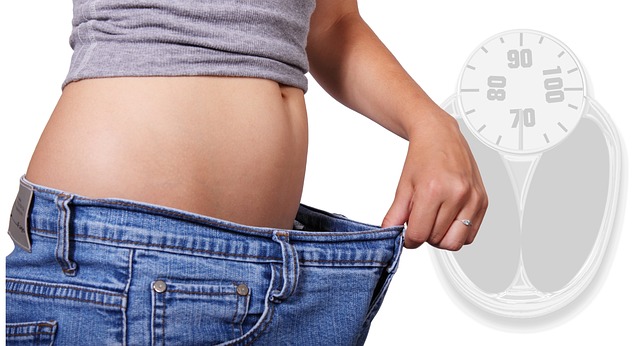
8 Effective Tips How to Lose 3 Pounds in a Week

Losing 3 pounds in a week can be a challenging journey, but with determination and the right strategies, it’s possible to shed those extra pounds quickly. If you’re looking to lose 3 pounds in a week, it’s essential to focus on a combination of healthy eating, regular exercise, and lifestyle changes. In this article, we’ll provide you with eight practical tips to help you achieve your goal. Remember that rapid weight loss may not suit everyone, so it’s crucial to consult with a healthcare professional before starting any new weight loss program. Losing 3 pounds in a week requires determination and the right strategies. It’s important to focus on healthy eating, regular exercise, and lifestyle changes. Here are eight practical tips to help you achieve your goal: Consult with a healthcare professional before starting any new weight loss program, as rapid weight loss may not be suitable for everyone. Set Realistic Goals: The first step in any successful weight loss journey is to set realistic goals. Losing 3 pounds in a week is an attainable and safe target for most people. Keep in mind that weight loss should be gradual to ensure it’s sustainable and doesn’t harm your health. Consult with a healthcare professional or a registered dietitian to determine a healthy and personalized weight loss plan that suits your needs and current health status. They can help you set realistic goals based on your current weight, body composition, and overall health. It’s important to remember that everyone’s optimal body weight loss journey is unique, so what works for one person may not work for another. By working closely with a healthcare professional, you can ensure that your weight loss goals are both achievable and safe. Additionally, they can provide guidance and support throughout your journey to help you stay motivated and on track. A healthcare professional can also help identify any underlying health conditions that may be hindering your weight loss progress. They can recommend specific dietary and exercise plans that are tailored to your individual needs and abilities. Moreover, they can monitor your progress and make adjustments to your plan as needed. Remember, the journey to achieving your optimal body weight is not just about the numbers on the scale but also about improving your overall health and well-being. With the guidance and support of a healthcare professional, you can embark on a successful weight loss journey. Create a Calorie Deficit To lose 3 pounds of fat, you need to consume fewer calories than you burn. Creating a calorie deficit is the foundation of successful weight loss. Start by calculating your daily caloric needs, which will depend on your age, gender, weight, and activity level. Then, aim to consume fewer calories than your body requires. This can be achieved by making small changes to your diet, such as reducing portion sizes and choosing healthier food options. Additionally, incorporating regular exercise into your routine can help increase your calorie burn and further contribute to the calorie deficit. Remember to approach weight loss in a healthy and sustainable manner, aiming for a gradual and steady loss of 1-2 pounds per week. Eat Healthy Diet Focus on consuming a healthy and well-balanced diet of 3 pounds of fat in just 1 week. Choose nutrient-dense foods that provide essential vitamins and minerals without excessive calories. Prioritize lean proteins like chicken, turkey, and fish and plant-based sources like legumes and tofu. Incorporate whole grains, such as brown rice and quinoa, and load up on fruits and vegetables for fibre and essential nutrients. In addition to protein and whole grains, it is important to include healthy fats in your diet, such as avocados, nuts, and olive oil. These fats can help keep you feeling satisfied and provide important nutrients for your body. It is also essential to stay hydrated by drinking plenty of water throughout the day. Lastly, be mindful of portion sizes and avoid processed foods and sugary beverages, as they can hinder your weight loss goals. Avoid processed foods, sugary snacks, and high-calorie beverages. Reduce your intake of refined sugars and empty carbohydrates. Instead, opt for complex carbohydrates like sweet potatoes and whole wheat products. Be mindful of portion sizes, as overeating healthy foods can still lead to weight gain. Stay Hydrated One of the best ways to lose 3 pounds in a week is to make water your drink of choice. Staying hydrated not only supports your overall health but can also help control your appetite. Sometimes, our bodies confuse thirst for hunger, leading to unnecessary snacking. Aim to drink at least 8 glasses (64 ounces) of water per day, and more if you are physically active. Additionally, consider starting your meals with a glass of water to help you feel fuller and potentially eat less. Drinking water before a meal can help fill up your stomach, making you less likely to overeat. It can also help aid digestion and prevent constipation. To make water more enticing, try adding a slice of lemon or cucumber for a refreshing twist. Remember, substituting sugary drinks with water can significantly reduce your calorie intake, making it easier to shed those extra pounds. Stay committed to your water-drinking routine, and you’ll be on your way to achieving your weight loss goals in no time. Increase Physical Activity To accelerate weight loss, incorporate regular physical activity into your daily routine. Aim for at least 150 minutes of moderate-intensity aerobic exercise or 75 minutes of vigorous-intensity exercise each week. This can include activities like brisk walking, jogging, cycling, or swimming. Strength training exercises can also help build lean muscle, which can boost your metabolism. Additionally, finding activities that you enjoy can make it easier to stay motivated and consistent with your exercise routine. Consider joining a sports team, taking a dance class, or trying out a new workout class to add variety to your workouts. Remember to start slowly and gradually increase the intensity and duration of your workouts to avoid injury. Don’t forget to listen
How to Lose Weight With Empty Sella Syndrome

Empty Sella Syndrome Fast Facts Empty Sella Syndrome (ESS) is a condition that impacts the bony structure surrounding the pituitary gland within the skull. Estimates regarding the prevalence of Empty Sella Syndrome vary among experts. Some suggest it may affect up to 25% of the general population, while others believe it’s less common, impacting approximately 12% of individuals. In many instances, Empty Sella Syndrome remains asymptomatic or relatively benign. When symptoms do manifest, they often pertain to disruptions in the pituitary gland’s hormone-regulating functions. Empty Sella syndrome exhibits a higher prevalence among women compared to men. This condition predominantly manifests in individuals aged between 30 and 40 years. Although there is some debate over the exact prevalence of Empty Sella Syndrome, it is generally agreed upon that it affects more women than men. Additionally, this condition tends to present itself in individuals who are in their thirties or forties. Overall, while Empty Sella Syndrome may go unnoticed in many cases, it can cause hormonal imbalances and potentially lead to various symptoms when it does become symptomatic. What is Empty Sella Syndrome? Empty sella syndrome is a medical condition where the sella turcica, a bony structure in the skull that houses the pituitary gland, appears partially or completely empty on radiological imaging. This condition can affect hormonal regulation, including metabolism, which may impact your ability to lose weight. However, the approach to weight loss should be cautious and tailored to your individual circumstances. It is important to consult with a healthcare professional who is familiar with empty sella syndrome before embarking on any weight loss program. They can provide guidance on finding a balance between managing the condition and achieving a healthy weight. Additionally, focusing on overall health and wellness rather than solely on weight loss may be beneficial in managing the symptoms associated with empty-sleep syndrome. Primary Empty Sella Syndrome Primary Empty Sella Syndrome is a condition characterized by the abnormal enlargement or flattening of the sella turcica, a bony structure in the base of the skull that surrounds the pituitary gland. This condition is typically discovered incidentally during imaging tests for unrelated reasons, as many individuals with primary empty-sale syndrome do not experience any noticeable symptoms. However, in some cases, it can lead to hormonal imbalances and other complications that may require medical intervention. Secondary Empty Sella Syndrome Explained Secondary Empty Sella Syndrome emerges as a consequence of damage to the pituitary gland, leading to a reduction in its size. Such damage may occur following head trauma, surgical interventions, or radiation therapy aimed at addressing pituitary tumors. In these cases, the symptoms of secondary empty sella syndrome can be more pronounced and may include hormonal deficiencies, such as low levels of growth hormone, thyroid-stimulating hormone, or reproductive hormones. Additionally, patients may experience symptoms related to the underlying cause of the damage, such as headaches, vision problems, or cognitive difficulties. Treatment for secondary empty sella syndrome typically involves addressing the underlying cause, such as surgical intervention or hormone replacement therapy, to alleviate symptoms and restore hormonal balance.
How to Run Longer Without Getting Tired

You can run longer without getting tired by slowly raising your pace. Instead of trying to run a marathon all at once, add a half mile to your standard running route every week. This will help you build endurance and prepare your body for more run-related demands. Including interval training in your schedule can also help you have more energy. By switching between high-intensity running sessions and rest periods, interval training teaches your body how to survive longer distances without becoming tired. You can run without getting tired Get more robust so you can run long without getting tired. Increasing your running distance or time weekly is one way to build strength. Pushing yourself further each time helps your body adapt and become more efficient. Solo training involves going back and forth between fast, hard workouts and slower, more healing times, which can also help you get stronger. To be good at running, you need to be steady. Give your body enough time to rest and heal between runs. With time and commitment, you’ll notice a significant change in your stamina and be able to run without getting tired. Before your run Understand RPE Many runners get tired too quickly because they run at a pace that is too fast for their current fitness level. This is where the rate of perceived effort (RPE) comes into play. RPE is a natural measure that allows runners to gauge the strength of their workout based on how hard it feels to them. By listening to their body and changing their pace accordingly, runners can find the sweet spot where they are pushing themselves without overexerting. By using the RPE measure, runners can give a number from 1 to 10 to rate their level of effort during a run. A grade of 1 would show minor effort, while a 10 would signify total effort. This allows runners to watch their progress and raise their effort as their fitness improves. Additionally, RPE can help avoid injury by stopping runners from pushing themselves too hard and risks overtraining or burnout. Knowing and utilizing RPE can significantly enhance a runner’s training and success. RPE (Rating of Perceived Effort) Scale RPE Feels Like… Estimated Heart Rate 2-4 It feels like a light exertion, suitable for warming up or cooling down. This effort level corresponds to about 50%–60% of your maximum heart rate. 50%-60% of max 4-5 This indicates a vigorous or extremely hard effort. You might find yourself taking short, gasping breaths, and the desire to quit might emerge. This corresponds to roughly 80%–90% of your maximum heart rate. 60%–70% of max 5-7 Reflects moderate to vigorous effort; your workout is challenging, and you might question how long you can keep it up. 70%–80% of max 7-9 Signifies a vigorous or extremely hard effort. You’ll find yourself taking short, gasping breaths, and the desire to quit might emerge. This corresponds to roughly 80%–90% of your maximum heart rate. 80%–90% of max 10 It indicates your ultimate effort, equivalent to 100% of your maximum heart rate. 100% of max For easy walking, you should aim for an RPE rate of approximately 3 to 4 on the scale. Regarding moderate-intensity walks, you should expect them to feel like a 4 to 7 on the RPE scale. However, more challenging runs, like speed workouts, will generally rank higher on the scale. These high-intensity runs, such as speed training or hill repeats, often have an RPE rate of 8 to 10. Pay attention to your body’s signals during these workouts, and do not push yourself to the point of harm. Remember, the RPE scale is subjective and may change from person to person, so measuring your effort level based on your feelings is essential rather than stick closely to the scale’s numbers. During Your Run Although you’re participating in your run, it’s helpful to follow the methods applied by top runners. Focus on checking your running form, controlling your breathing, and pacing yourself effectively to extend your endurance. Additionally, you can use the Rating of Felt Effort (RPE) scale to measure the speed of your run, which, in turn, helps decide your heart rate. For instance, an RPE number within the range of 2 to 4 refers to a heart rate of roughly 50% to 60% of your maximum heart rate (MHR). To find your MHR, remove your age from 220. When you’re new to running, keeping your heart rate at around 65% of your MHR or lower is suggested. As you build strength, you can gradually raise your pace until you hit 85% of your MHR. If you hold a heart rate monitor, you can also count on the given heart rate number to show your workout effort level while running. If You Still Feel Tired When Running There are several possible reasons why you feel tired after running. Firstly, it might be because you are not getting enough rest and healing time. Running works your muscles and joints, so you must give your body enough time to heal between workouts. To avoid feeling tired, you must get enough sleep, take rest days when necessary, and stay well hydrated before, during, and after running sessions. By doing so, your body can better heal from running sessions and perform to its maximum. Finally, if fatigue remains even after taking these steps, it might be worth exploring your food as this could add to it. Try changing your sleep plan so you get enough restful sleep every night, and check your eating habits to ensure they provide steady energy to power your body. Make running more interesting by adding intervals and hill runs into your routine to challenge and prevent boredom with running. Remember to listen to your body’s needs, giving proper recovery time between runs.